
Everyone is welcome: the only gay hangout in the Arab world
Outlet: The Guardian / Editor: Saeed Kamali Dehghan / Language: English / Date of publication: 17 May 2018 / Estimated reading time: 8 minutes 32 seconds.
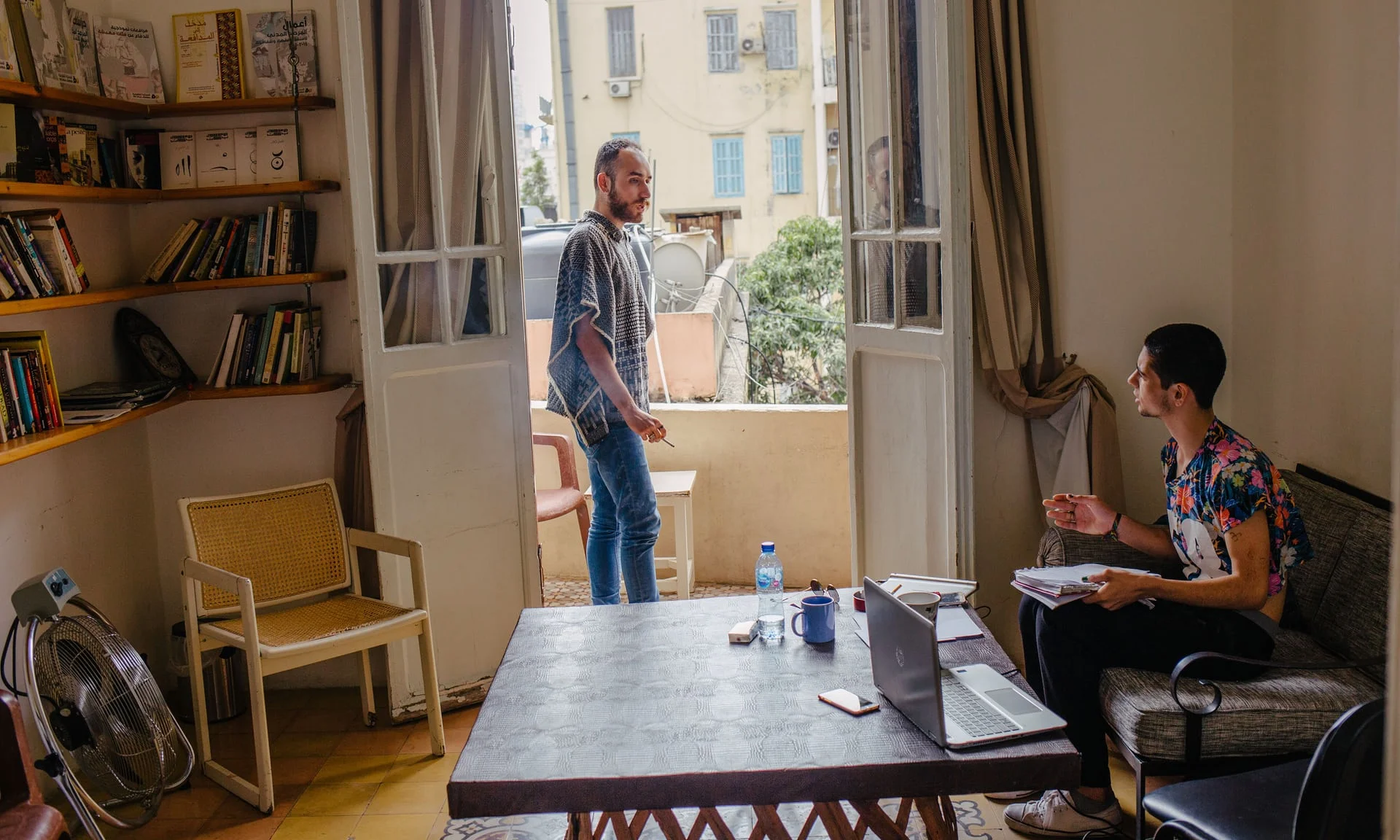
Wael Hussein (left) with Naya in Helem’s community centre in Beirut. Helem means ‘dream’ in Arabic. Photograph: Adib Chowdhury
From giving refuge to offering makeup sessions, Helem is an umbrella for some of Lebanon’s most marginalised people.
Tucked away in a quiet neighbourhood of Beirut, Helem, the first community centre for LGBTQI+ people in the Arab world, opens its doors every day from midday to evening. Everyone is welcome.
Inside, in a study bathed by the afternoon sunshine, Wael Hussein, a 24-year-old gay man, is chatting with Naya, a transgender woman, ahead of International Day Against Homophobia, Transphobia and Biphobia (IDAHOTB) on Thursday. Behind the two is a bookcase filled with donated titles, including Les Amantes by French lesbian writer Jocelyne François.
“This is my other home, I consider people here as my family,” says Wael. “Many come to find friends – outside, they find it difficult to be accepted.”
Compared with other countries in the Middle East, such as Iran where homosexuality is punishable by death, Lebanon has a relatively thriving LGBT community. During a recent dinner at Em Nazih, a trendy cafe in Beirut’s Gemmayze district, stereos blared the indie rock band Mashrou’ Leila, whose frontman is Muslim and openly gay.
But life is not without its hazards. On Wednesday Hadi Damien, the organiser of Beirut Pride, the only event of its kind in the Arab world, announced the festival had been suspended after authorities interrogated him and threatened him with prosecution. A roster of events that would have featured poetry readings, a storytelling night and a talk on sexual health had been cancelled, he said.
For those still facing discrimination, obstruction, and even violence, Helem is a lifeline. “I’ve been coming here for a year now. I’m alone and I come here to talk to people,” says Suzy, a 41-year-old trans woman with a bruised left eye sitting on the organisation’s balcony. “Two weeks ago, I was in the disco. Two people riding on a motorbike stopped and punched me in the eye, stole my bag, money and my phone.”
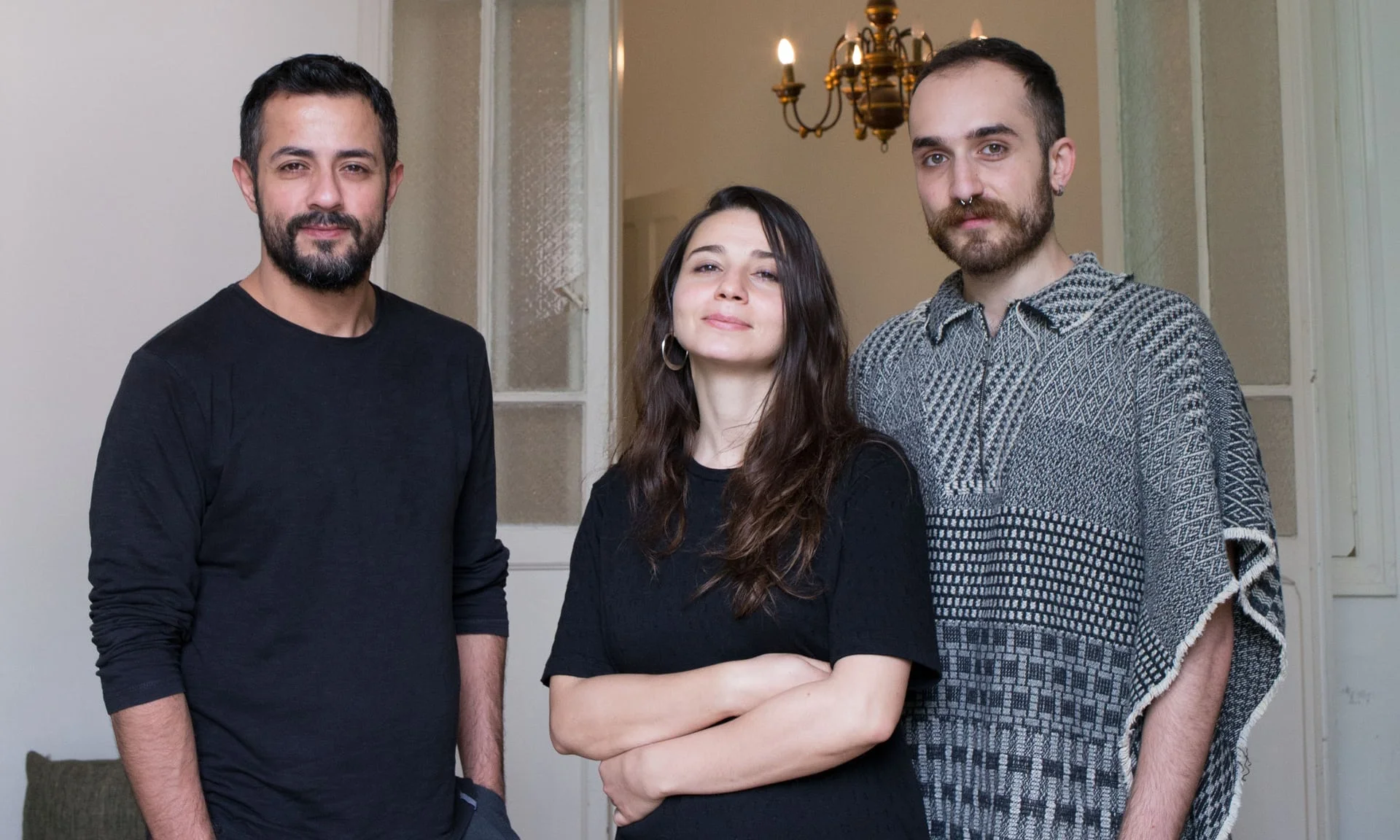
Helem’s three paid staff (from left): Joseph Aoun, Genwa Samhat and Wael Hussein. Helem has been described as an ‘important and necessary LGBTQ oasis in the Middle East and North Africa region’. Photograph: Adib Chowdhury
Wael joined Helem (which means “dream” in Arabic) two and half years ago as a volunteer before becoming one of only three paid staff seven months ago. He is a case worker, dealing mainly with those who have fallen foul of Lebanon’s infamous article 534, which criminalises “unnatural sexual acts”.
In his bag he now carries a mobile phone that serves as a 24-hour emergency hotline. But the work is not all about crises. Wael also runs makeup workshops.
“Some people have just found out about their gender identity, and they are intrigued to use makeup to intensify it, like trans women,” he says. “It makes me smile. When they see themselves in the mirror, their eyes start shining and what they can see in the mirror, they feel this person looks much more like the way they see themselves.”
Helem was set up as an underground movement nearly 20 years ago and, despite never having received official registration by the authorities, has clung to life.
The authorities neither rejected nor approved the request, said Genwa Samhat, Helem’s executive director, in a sign that meant “‘we won’t reject you but we will make your work really hard that you’d eventually stop’. But on the contrary we just kept on working.”
Since then Helem’s reputation has spread beyond Lebanon throughout the Arab world and several similar organisations have been set up, including the NGO Shams in Tunisia, fighting for the decriminalisation of homosexuality.
Afsaneh Rigot of British human rights group Article 19 said Helem was “an important and necessary LGBTQ oasis in the Middle East and North Africa region” and “a refuge for some of the most marginalised people in Lebanon”.
But progress has not been straightforward. When Samhat, 31, joined four years ago, the organisation was almost moribund. Her arrival coincided with a Lebanese security forces raid on a local bathhouse, the Hammam al-Agha, which resulted in the arrests of 36 people.
“When I joined, it was a trial to see if things would work again or not. Helem had lost its community centre, its offices, all of its funds. It had zero dollars in its bank account,” says Samhat. “It felt impossible at one point to get this going again, but with the Hammam Agha raid it was my first incident with such an arrest file … and it was a major push to try to do something about it.”
Most of the people rounded up in the raid were sent to the Hbeish detention centre, and Helem’s ensuing work highlighted torture there. Such physical mistreatment appears now to have stopped. Today, at least 17 people are detained in Hbeish, mostly transgender people.
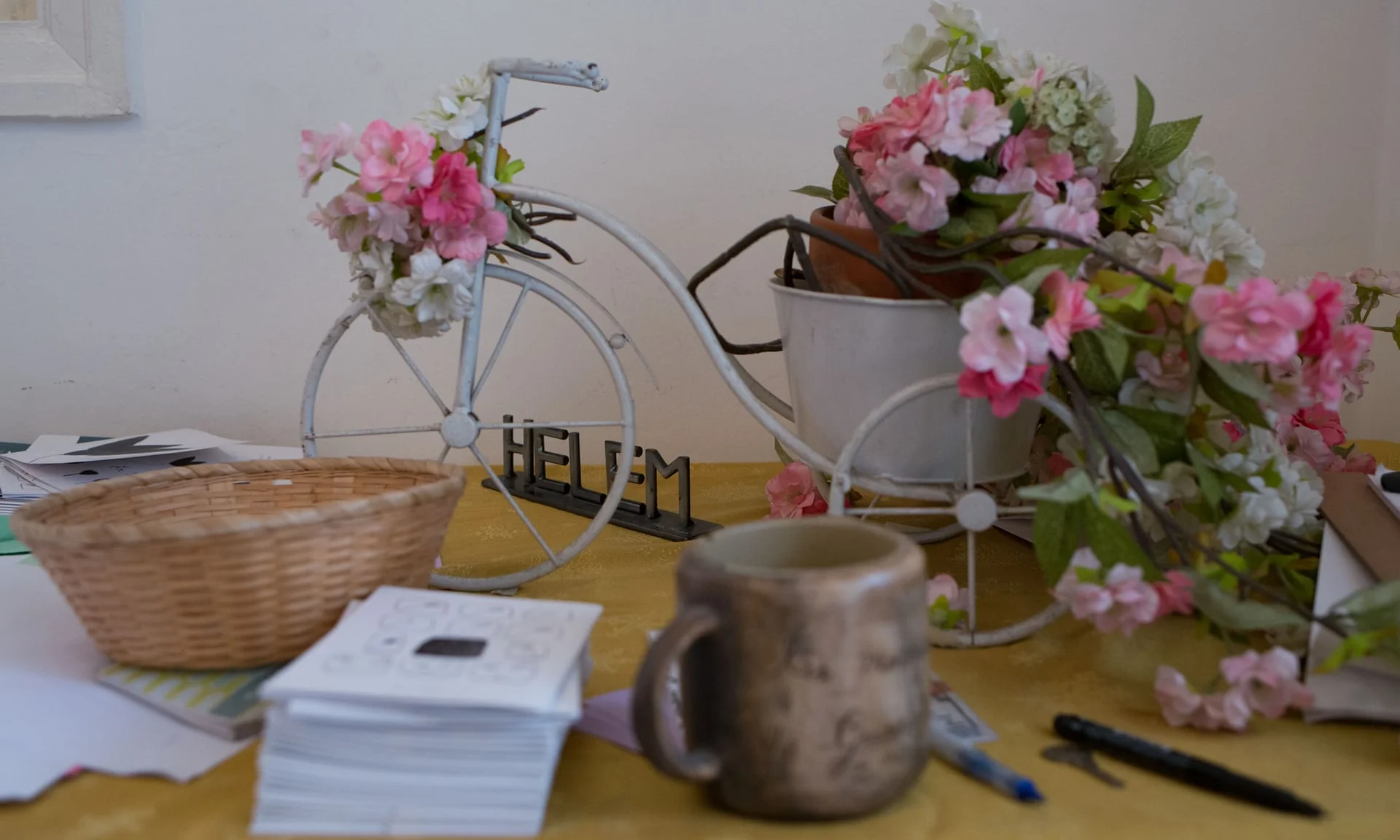
Helem’s community centre provides basic facilities for people wishing to stay overnight if they feel unsafe. Photograph: Adib Chowdhury
“Trans people face the most discrimination – they’re visible,” Samhat said. “They were mostly arresting trans women who never ever got the opportunity to find a job, who were kicked out of their family houses, they were homeless for a long period of time, who actually dropped out of school because they were bullied at some point. We believe in personal freedoms and if people choose to be sex workers, it’s their right and we will defend them, but we do have to realise a lot of people do it out of survival reasons.”
Naya, 21, heads Helem’s seven-member trans committee and says it is serving as an umbrella that makes people like her “feel stronger and let us make things we couldn’t do before – like offering hormones”. The organisation also provides more essential help. Aside from the study, there are places to sleep, a bathroom and a kitchen with basic appliances – a fridge, a gas stove and a washing machine.
Its sister organisation, the sexual health clinic Marsa, provides free HIV tests, and charges $100 (£74) for comprehensive screening including for chlamydia and gonorrhea. Nearly 260 people visit Marsa each month – of whom two or three on average test positive for HIV.
“A lot of people don’t seek medical assistance, because they can’t tell doctors [about their sexual orientation]. If they look effeminate, they’d get humiliated, kicked out of hospital,” says Diana Abou Abbas, 36, who runs Marsa. “Marsa is a safe place, free of judgment and discrimination, people can talk about their practices without worrying that they would be judged.”
Back at Helem, Joseph Aoun, 33, is busy working on Helem’s campaigning week before IDAHOTB. He used to be the manager of Bardo, Beirut’s most famous gay bar, before joining Helem, an experience he says has opened his eyes to the discrimination faced by those from deprived social backgrounds.
“It’s a constant struggle against the odds,” he says. “You have a lot of frustration but when you look back you see you’re impacting people’s lives and this is beautiful.”
This year, IDAHOTB coincides with Ramadan, and Dana Darwish, a transgender lesbian, plans to go to Helem for iftar, the evening meal that breaks the daily fast during the holy month.
“Islam is the religion of peace,” said the 31-year-old. “Helem makes iftar every week and it’s a wonderful feeling that this year Ramadan falls on the same day as IDAHOTB.”